
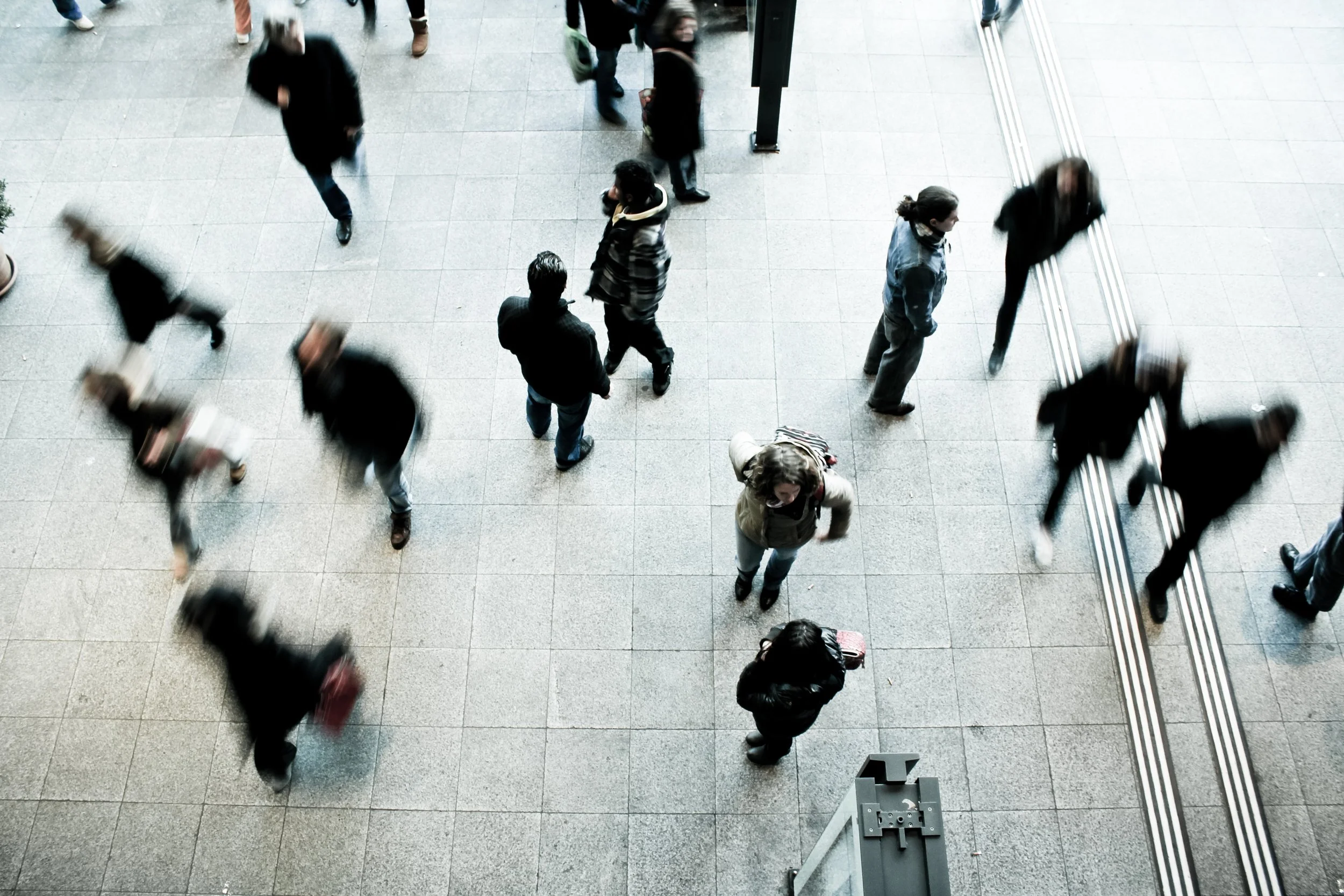
Relationships are struggling.
Everywhere we look it’s clear that we’re finding it harder to connect, to trust each other, to build meaningful relationships.
And what is playing out in personal lives and public stages is also showing up in teams, organisations, neighbourhoods and communities.

Major disruption to how we live and interact mean that the structures that used to keep us socially fit - such as stable communities, shared rituals, and intergenerational households - are dismantling. At the same time, digitalisation and AI are fast displacing even basic human connections.
And as we lose our relationship practices, so we lose our relationship muscles: our ability to listen, to accommodate differences, to build meaningful connections, to repair ruptures, and to build trust.
The messy result is that we are increasingly unprepared for ‘group life’ - for what it is to work and live together, across difference and through conflict.
The irony is that we have never needed group skills more.
The scale of the shared challenges that we face requires us to work together and to care for each other like no other time in history.
And, as our yearning for belonging, community, and meaning indicate, we also need groups and group life for our own wellbeing and health. Groups offer us something that any number of one-to-one relationships cannot deliver.
When they work well, groups are phenomenally powerful. Think of the creativity of the ‘hive mind’, the sense of agency found in collective action, the euphoria that comes from feeling like you are part of something bigger. That’s why even small groups can make an impact entirely disproportionate to their size.
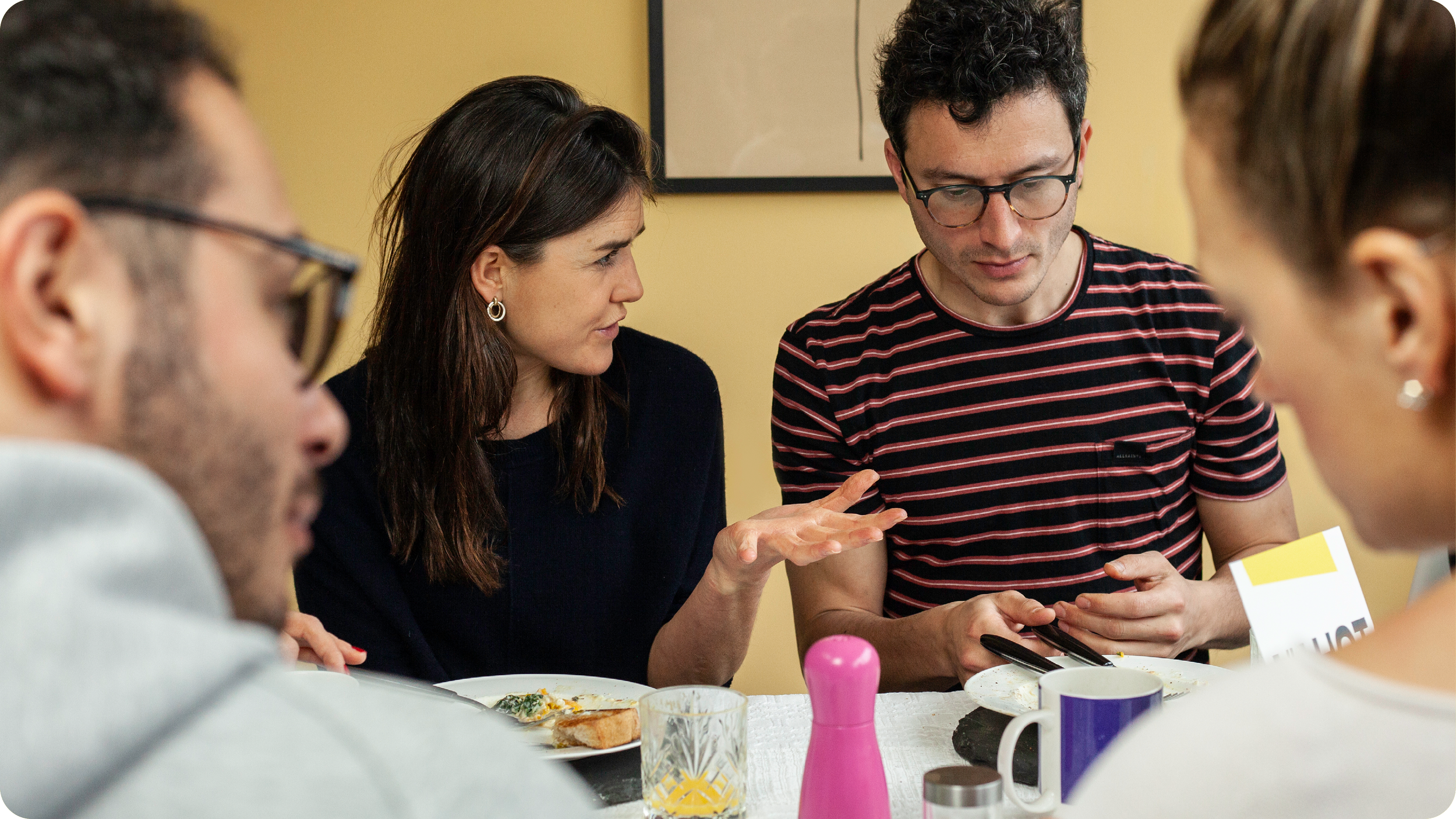
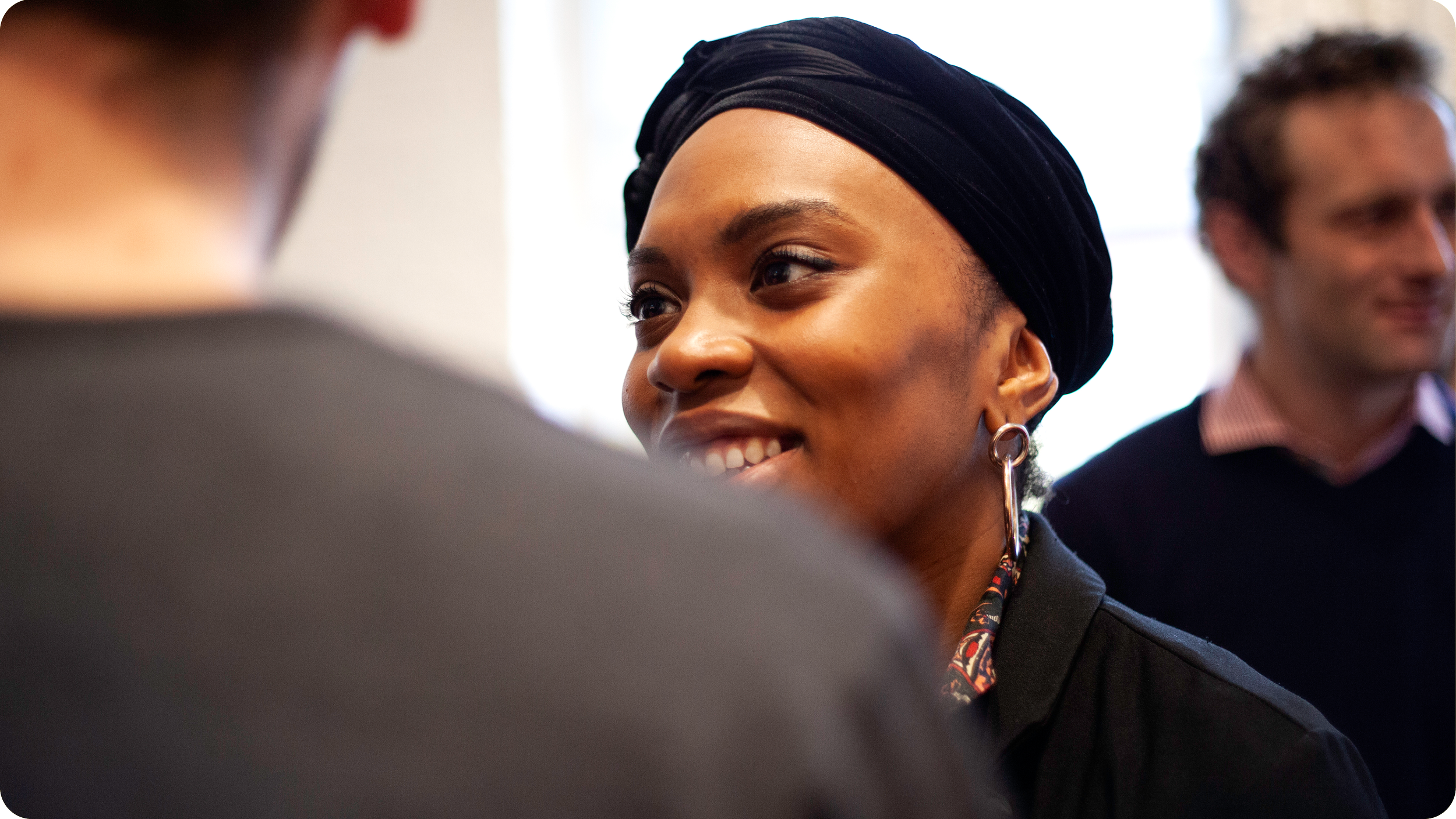
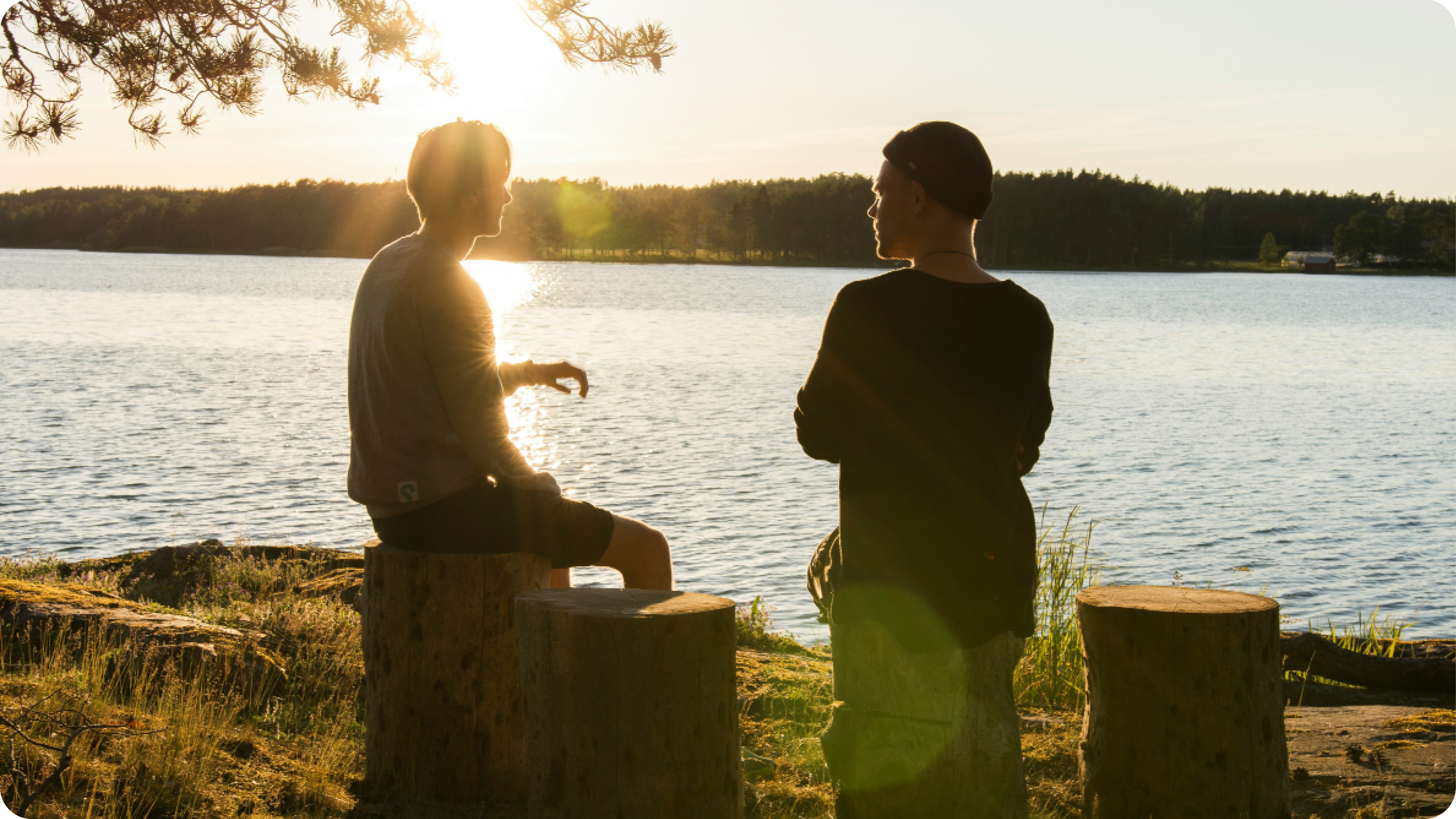
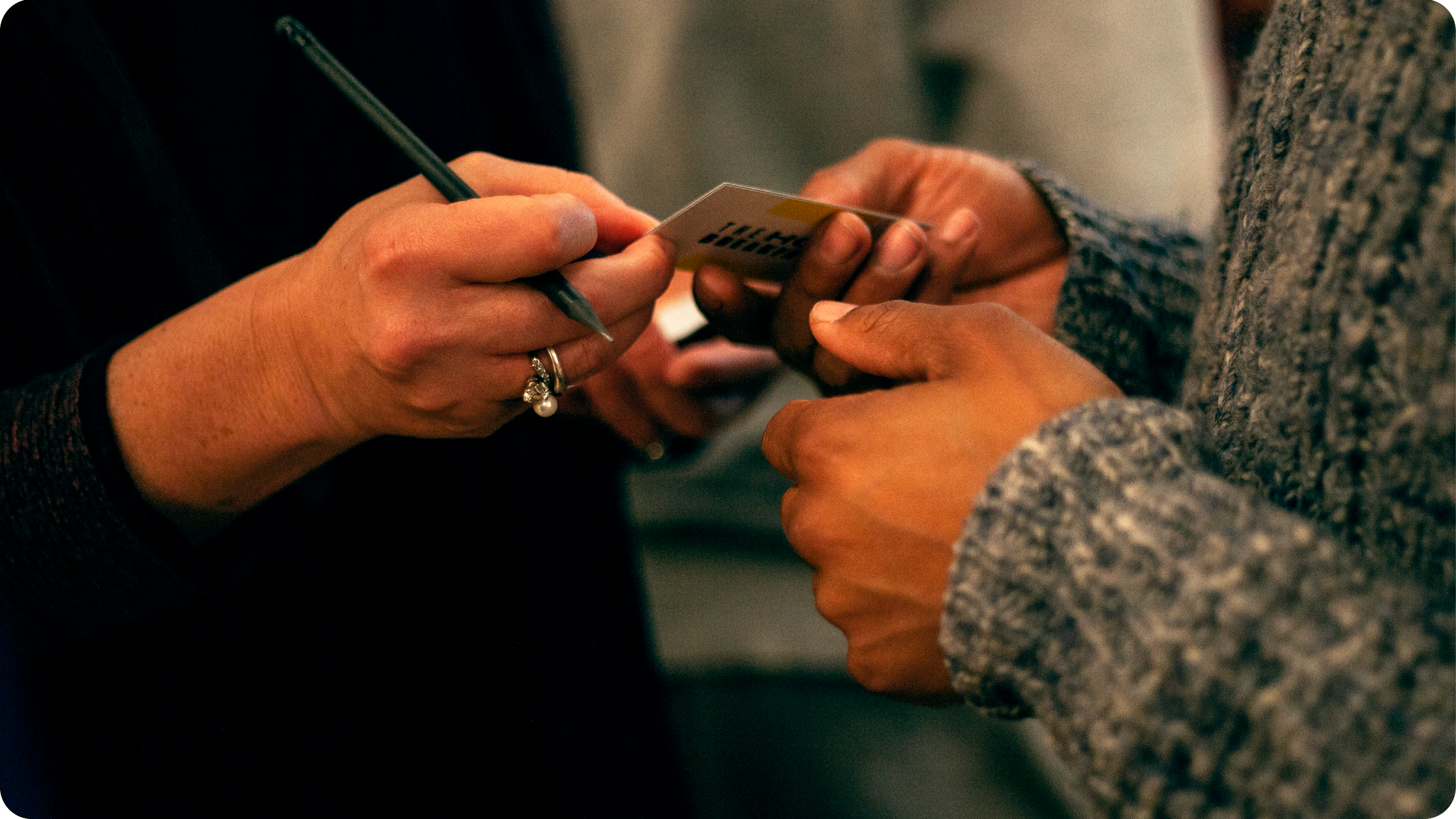
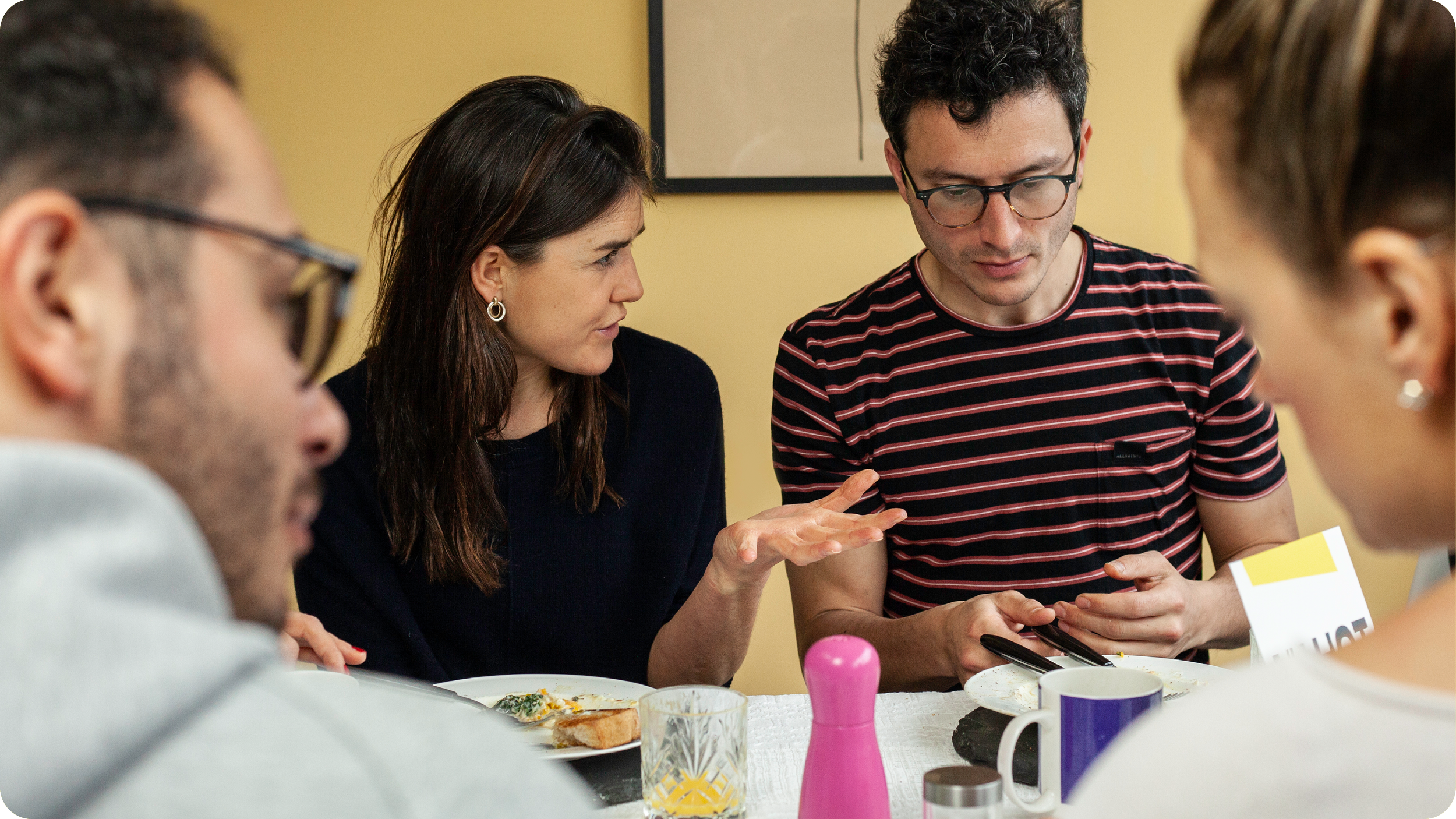
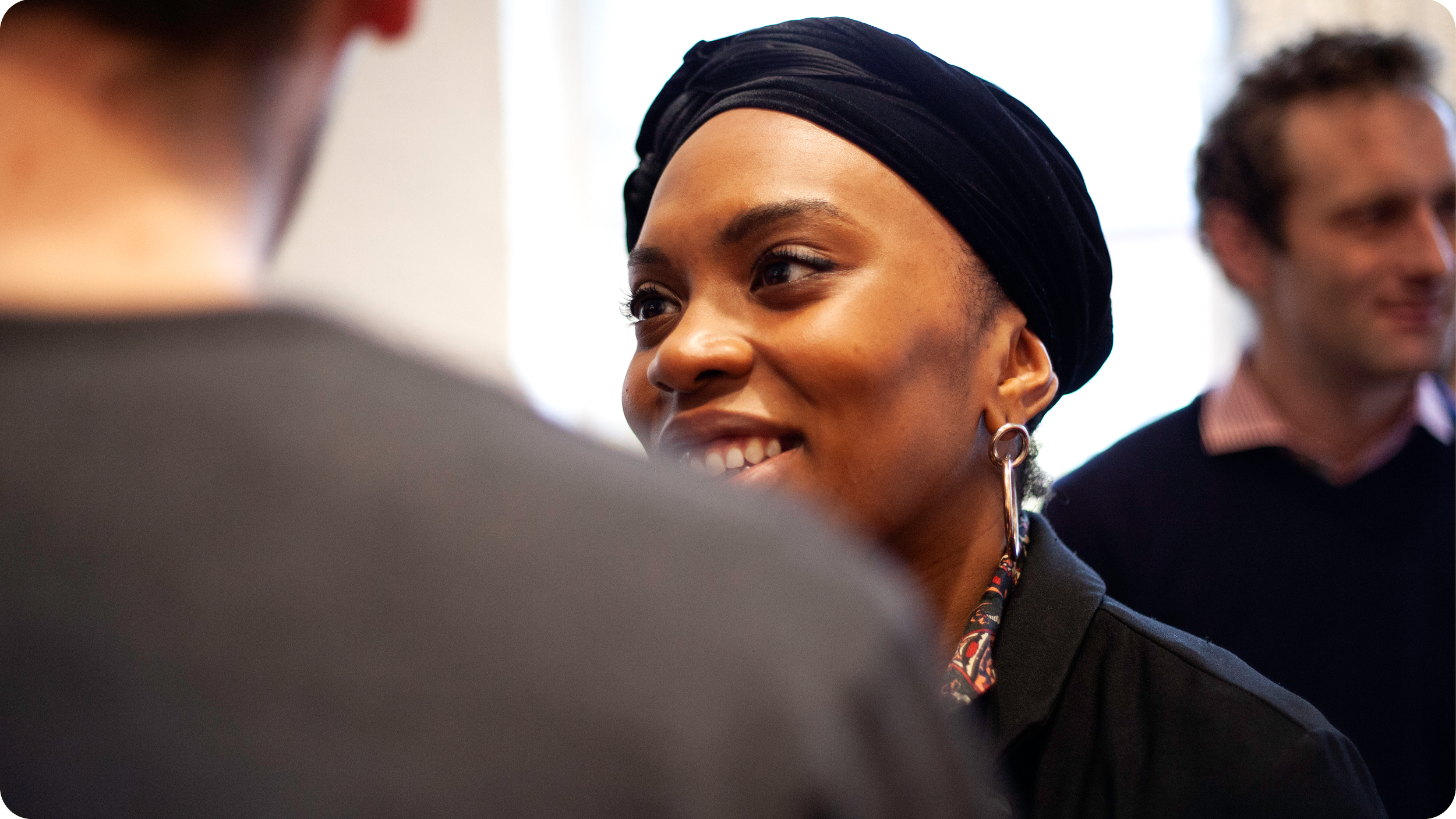
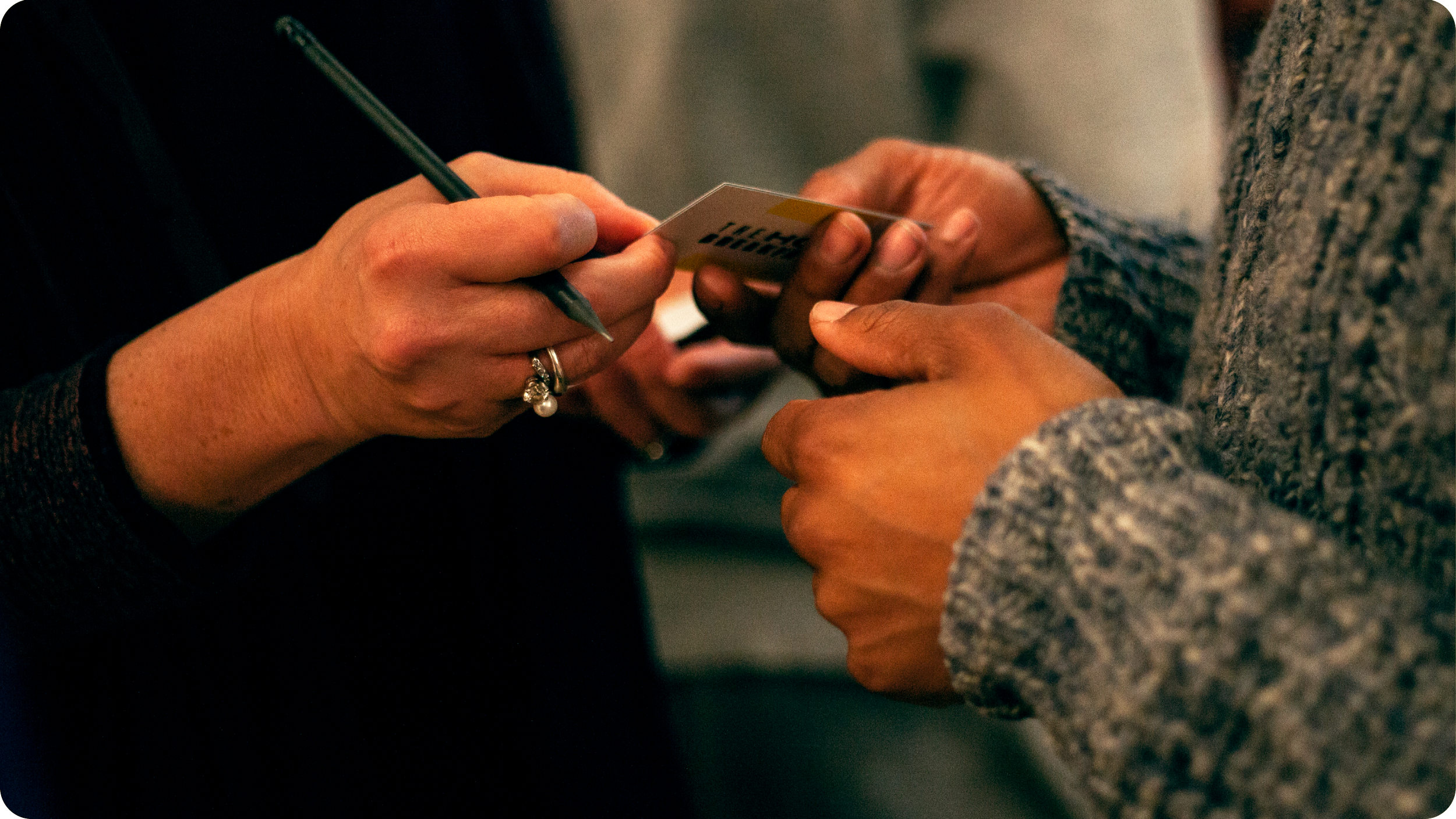

This is about you (and me)
If you run a business, lead a community or manage a team, the way you influence the social fitness of the people you gather matters enormously - not just for their wellbeing, but for everything you’re trying to achieve together. It’s within your power to influence this in ways both big and small - through design, through structure, through education, and through training.

This is about us
Improvements to our own social fitness always have wider benefits. When people learn to relate to each other better, the skills ripple outwards: into families, neighbourhoods, the very fabric of civil life. Investing in social fitness is one of the most impactful things any individual or organisation can do - not just for performance or personal gain, but for society as a whole.
At The Social Gym we want to help you to build and maintain the social fitness your organisation - and our society - needs.